



Understanding local water mitigation needs is crucial for effective incident response. Each region faces unique challenges, requiring specialized methods: from natural techniques like biostimulation in Brooklyn Center to tailored decontamination technology in Queens. Efficient water removal within 24-48 hours prevents mold growth. Regular maintenance and assessments are key. For flood-prone areas, natural absorbents, ventilation, and dehumidifiers aid rapid drying. Community involvement is vital for sustainable solutions like improved drainage systems and natural water removal techniques. Collaborative efforts empower residents to take ownership of their environment, enhancing overall resilience against water-related challenges.
In many regions, water mitigation is not just a convenience but a necessity. As climate patterns shift and extreme weather events become more frequent, effective and sustainable water removal naturally strategies are crucial for communities worldwide. Traditional methods often rely on chemical-based solutions and energy-intensive equipment, leaving a significant environmental footprint. This article delves into the realm of local, eco-conscious water mitigation solutions, exploring innovative approaches that prioritize natural water removal methods. We aim to empower readers with knowledge and tools to navigate this evolving landscape, fostering a more sustainable future.
- Understanding Local Water Mitigation Needs
- Natural Methods for Efficient Water Removal
- Assessing Property for Water Damage Potential
- Sustainable Practices in Water Mitigation Solutions
- Community Involvement: Collaborating for Effective Water Management
Understanding Local Water Mitigation Needs
Understanding local water mitigation needs is a critical step in addressing any water damage or flooding incidents effectively. Each region presents unique challenges, from coastal areas like Manhattan Beach where flooded apartments require specialized recovery methods to urban hubs such as Bay Ridge, home to water extraction specialists who navigate dense city landscapes. The specific nature of water removal naturally depends on factors like building age, infrastructure, and local environmental conditions.
In Queens, for instance, water damage restoration is a frequent concern, with historical buildings and modern construction alike susceptible to flooding events. Experts from Property Restoration of the Capital Region emphasize the importance of assessing each site individually. “One-size-fits-all solutions don’t work in water mitigation,” says a senior restorer. “Natural removal methods can range from employing local techniques for drying out structures to utilizing advanced technology for decontaminating affected areas.” This tailored approach ensures not only effective water removal but also minimizes the risk of secondary damage, such as mold growth, that often accompanies extensive water exposure.
Data from recent studies highlights the growing need for robust water mitigation strategies. According to a report by the National Weather Service, flooding incidents in coastal regions have increased by 20% over the last decade, underscoring the urgency for communities and professionals alike to adapt their strategies. By understanding local needs and leveraging specialized expertise, such as that offered by Bay Ridge’s water extraction specialists, areas like Queens can better prepare for and recover from these events, ensuring the safety and integrity of both buildings and communities.
Natural Methods for Efficient Water Removal
In the aftermath of water damage, efficient water removal is a crucial step towards mitigating potential risks. Natural methods for water removal offer an eco-friendly and cost-effective alternative to traditional pumps and equipment. For instance, in Brooklyn Center, where drain unclogging services are readily available, experts employ techniques like biostimulation, which involves introducing beneficial bacteria to break down organic matter and facilitate natural drainage. This method not only promotes efficient water removal but also prevents future clogs.
In areas prone to flooding, such as the Upper West Side, mold remediation after flood events is a significant concern. Natural water removal techniques, combined with proper mold prevention strategies, are essential. Property Restoration of the Capital Region emphasizes the importance of using materials that resist moisture absorption and implementing quick response protocols to minimize mold growth. By combining these natural methods with expert interventions, residents can effectively manage water damage and prevent subsequent health risks associated with mold.
For instance, using natural absorbents like silica gel or bentonite clay can help draw out moisture from affected areas. Additionally, ventilation and the use of dehumidifiers play a pivotal role in expediting the drying process. According to studies, proper ventilation can reduce indoor humidity levels by up to 30%, significantly hindering mold growth. Timely mold prevention after water damage is crucial, as data suggests that mold can begin to proliferate within 24-48 hours of water intrusion. Proactive measures, such as those offered by local water mitigation solutions specialists, ensure not only efficient water removal but also the preservation of a healthy living environment.
Regular maintenance and inspections are key to avoiding severe water damage. Property owners should be vigilant in checking for leaks, especially in older homes or buildings with outdated plumbing systems. Preventive measures, coupled with natural water removal techniques, empower residents to take control of their properties’ well-being. By embracing these strategies, Brooklyn Center and Upper West Side communities can foster a more robust and sustainable response to water damage, ensuring the safety and comfort of their residents.
Assessing Property for Water Damage Potential
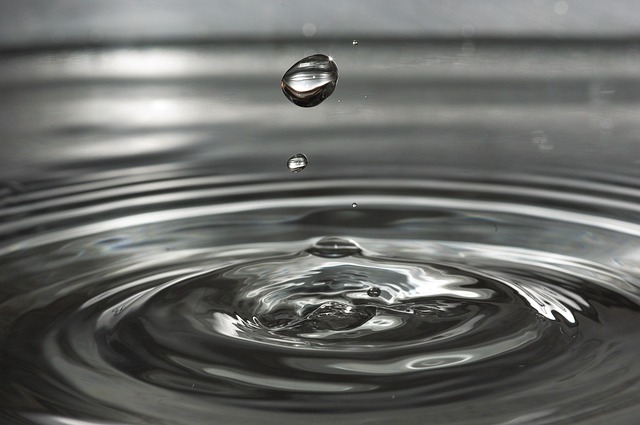
Assessing a property for water damage potential is a critical step in mitigating risks and ensuring the longevity of your investment. This process involves a comprehensive evaluation of various factors that contribute to the likelihood of water intrusion and subsequent damage. In regions prone to flooding, such as Queens, where water removal naturally becomes a top priority, understanding these elements is essential for proactive protection.
One of the primary considerations is the structural integrity of the building. Inspecting for proper drainage systems, including gutters and downspouts, is crucial. Blocked or damaged gutters can lead to water pooling around the foundation, increasing the chances of basement flooding. Home sump pump installation is a valuable investment for properties at risk, as these pumps can swiftly remove accumulated water, preventing extensive damage. For instance, a study by the National Weather Service found that homes with functional sump pumps suffered less than half the water damage during heavy rainfall compared to those without.
Water damage restoration specialists in Coney Island, like Property Restoration of the Capital Region, often emphasize the importance of assessing potential entry points for water. This includes examining seals around windows and doors, as well as checking for cracks or gaps in the foundation. Proper sealing and waterproofing techniques can significantly reduce the risk of water penetration. Additionally, analyzing historical data on weather patterns and local flooding events can provide insights into specific areas more susceptible to water damage, enabling targeted prevention strategies. Regular maintenance and updates to these protective measures are key to ensuring a property’s resilience against water-related disasters.
Sustainable Practices in Water Mitigation Solutions
Sustainable practices in water mitigation solutions are gaining prominence as communities face increasing challenges from extreme weather events. In regions like Coney Island and Brooklyn Heights, where homes are at higher risk of hurricane floods and basement water issues, adopting natural methods for water removal has become not just an environmental priority but a practical necessity. Property Restoration of the Capital Region, a leading name in the industry, emphasizes these eco-friendly approaches, demonstrating that effective water mitigation can go hand in hand with sustainability.
One such innovative solution is the implementation of natural barriers and retention systems. Instead of solely relying on mechanical pumps for immediate water removal, professionals now recommend strategic land shaping and vegetation to slow down rainwater runoff. For instance, creating raised beds filled with native plants around homes can act as a natural sponge, absorbing excess water during heavy rains. This not only mitigates flooding but also supports local ecosystems by providing habitats for beneficial insects and birds. In Brooklyn Heights, where historic homes often struggle with wet basements, this method has shown promising results in preventing long-term water damage.
Additionally, home waterproofing professionals are turning to advanced yet sustainable materials for barrier protection. These include permeable membranes that allow water infiltration while blocking excessive flow, and eco-friendly coatings that repel water without harmful chemicals. By combining these techniques with proper drainage systems, residents can significantly reduce the risk of water intrusion. For hurricane flood cleanup near you, these strategies offer a proactive approach to resilience, ensuring your property is better equipped to handle severe weather events. Property Restoration of the Capital Region’s commitment to such sustainable practices highlights their dedication to not just restoring properties but also preserving and enhancing the local environment.
Community Involvement: Collaborating for Effective Water Management

Community involvement is a cornerstone of effective local water mitigation strategies, especially when addressing challenges like wet basements in areas such as Crown Heights, Staten Island, and Queens. Engaging residents and fostering collaboration can lead to more sustainable and tailored solutions for water management. The key lies in empowering communities to take ownership of their environment, particularly in regions prone to flooding or excessive moisture issues.
For instance, in the diverse landscape of New York City, areas like Crown Heights have faced persistent wet basement problems. By organizing community workshops and information sessions, residents can gain practical knowledge about natural water removal techniques. This could involve implementing simple yet effective strategies such as improving drainage systems, using moisture-absorbing materials, or adopting sustainable landscaping practices to divert water away from homes. When combined with regular maintenance and prompt action during flooding events, these community-driven initiatives can significantly reduce the impact of water damage.
In Staten Island, where homeowners often grapple with basement humidity and potential water intrusion, collaborative efforts between residents and local experts can yield substantial results. Property Restoration of the Capital Region, for instance, has successfully partnered with communities to develop customized dry-out strategies. This involves a multi-step approach that includes identifying sources of moisture, employing specialized equipment for water removal, and implementing preventive measures. By involving the community in these processes, residents gain valuable skills and knowledge, fostering a culture of preparedness and resilience.
Moreover, community involvement encourages the sharing of resources and best practices across neighborhoods facing similar challenges in Queens or beyond. This collective approach can lead to innovative solutions, such as creating local networks for sharing water damage restoration services or establishing community funds for emergency repairs. By leveraging the power of collaboration, communities can enhance their resilience against water-related issues, ensuring a drier, safer environment for all residents.
By understanding local water mitigation needs, adopting natural methods for efficient water removal, assessing property for damage potential, embracing sustainable practices, and fostering community involvement, we can effectively manage water-related challenges. The article has provided authoritative insights into these key areas, offering clear takeaways for practical application. For instance, prioritizing water removal naturally through eco-friendly techniques not only enhances environmental sustainability but also significantly improves local water mitigation solutions. These strategies ensure resilient communities better equipped to navigate and mitigate water-related disasters, ultimately safeguarding both property and the environment.